Cambian Lufton College is set across three campuses within 70 acres of Somerset countryside near Yeovil town centre: Lufton Manor, Manor Farm, and The White Horse community home. Each setting provides a supportive residential environment where students can develop confidence, independence, and essential life skills.
We recognise that residential colleges cannot replace home; however, we aim to create a welcoming and supportive environment where learners feel safe, comfortable, and valued. Residential provision enables students to benefit from a 24-hour curriculum, where learning and development extend beyond the classroom and are embedded within everyday routines and experiences.
Students are supported to settle into their accommodation and are encouraged to personalise their bedrooms with items that are meaningful to them. When allocating accommodation, the college considers compatibility, interests, and individual preferences wherever possible so that students feel involved in decisions about where they live.
The residential environment provides meaningful opportunities for students to practise and generalise skills across different contexts throughout the day and evening. Through supported daily routines, students develop greater independence, confidence, and social skills. Key areas of development include preparing meals, maintaining living spaces, managing laundry, planning menus, and developing budgeting skills.
As students progress, they may experience different residential settings to reflect their developing independence. This may include living with peers, sharing facilities, or accessing community-based living opportunities. These experiences form part of each student’s preparation for adulthood, supporting progression towards supported living, greater independence, and participation in their local community.
Enrichment
Residential students benefit from an enrichment programme that forms part of the 24-hour curriculum, supporting wellbeing, social development, and engagement with the wider community.
Activities are individualised, reflecting each student’s interests, preferences, and support needs. Students are encouraged to share their interests so that enrichment opportunities remain meaningful and motivating.
Examples of enrichment activities may include:
• Gym sessions and fitness activities
• Community clubs
• Team sports such as football or basketball
• Swimming sessions
• Bowling or cinema trips
• Discos and social evening
• Karaoke or music nights
• Arts, crafts or creative workshops
• Cooking and baking sessions
• Gaming club or board games
• Nature walks, gardening or forest school activities
• Visits to cafés, restaurants or local attractions
• Trips to theme parks, seaside locations or community events
Enrichment activities provide opportunities for students to develop friendships, build confidence in social settings, and access their local community. As part of their Moving On plan, students may also experience community living during their course, helping them develop the practical skills and confidence required for supported living or greater independence after college.
On-site facilities include:
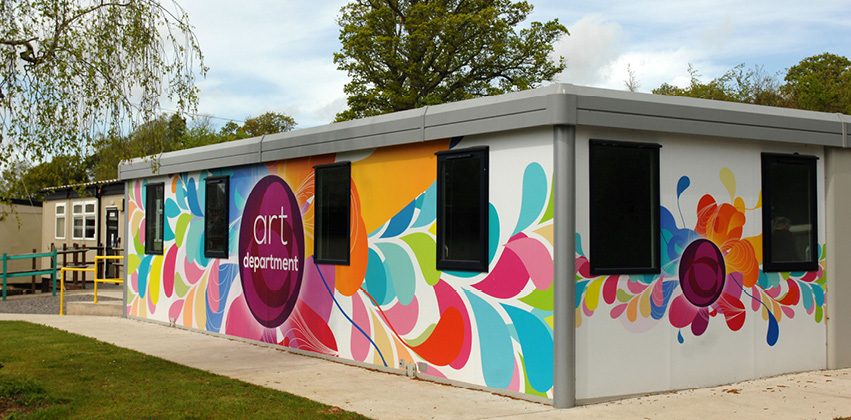
Students have access to a range of specialist facilities designed to support learning, vocational development, and independent living skills.
These include:
✓ Life skills kitchen - for cooking, baking, menu planning, and developing everyday living skills
✓ Animal centre - providing opportunities for animal care, responsibility, and vocational learning
✓ Sensory room - supporting relaxation, regulation, and wellbeing
✓ Forest school and greenhouses – encouraging outdoor learning, horticulture, and practical environmental skills
✓ Campus shop – promoting independent shopping, money management, and customer service skills
✓ Craft and creative workshops – for arts, crafts, and skill development
✓ Car valeting bay – offering vocational skills and practical work experience
✓ Go-Karts - providing recreational activity and motor skills development
✓ Refectory and college hall – for communal activities, social engagement, and events
✓ Leisure facilities – such as air hockey, supporting social interaction and recreation
These facilities provide a practical and engaging learning environment where students can develop vocational, life, and social skills that support their progression toward independence, employment, or further training beyond college.
The Value of Residential Provision
For some learners, a residential placement provides the level of consistency, structure, and opportunity needed to make meaningful progress towards their outcomes. The residential setting enables students to practise and develop skills across a 24-hour curriculum, where learning is reinforced through real-life experiences beyond the classroom.
This continuity of support allows students to develop independence, social communication, emotional regulation, and daily living skills within a safe and structured environment. Residential provision also provides opportunities for students to access their local community, build relationships with peers, and develop the confidence and practical skills required for adulthood, including progression towards supported living, employment, or further training.